Usual hours and prices, checked 2026-10-05 against the sources under “What this place is”. They can change for holidays and events — confirm before you go. Official site
AD 🛏️ Hotels nearby on Agoda ↗ About this link
Our guide
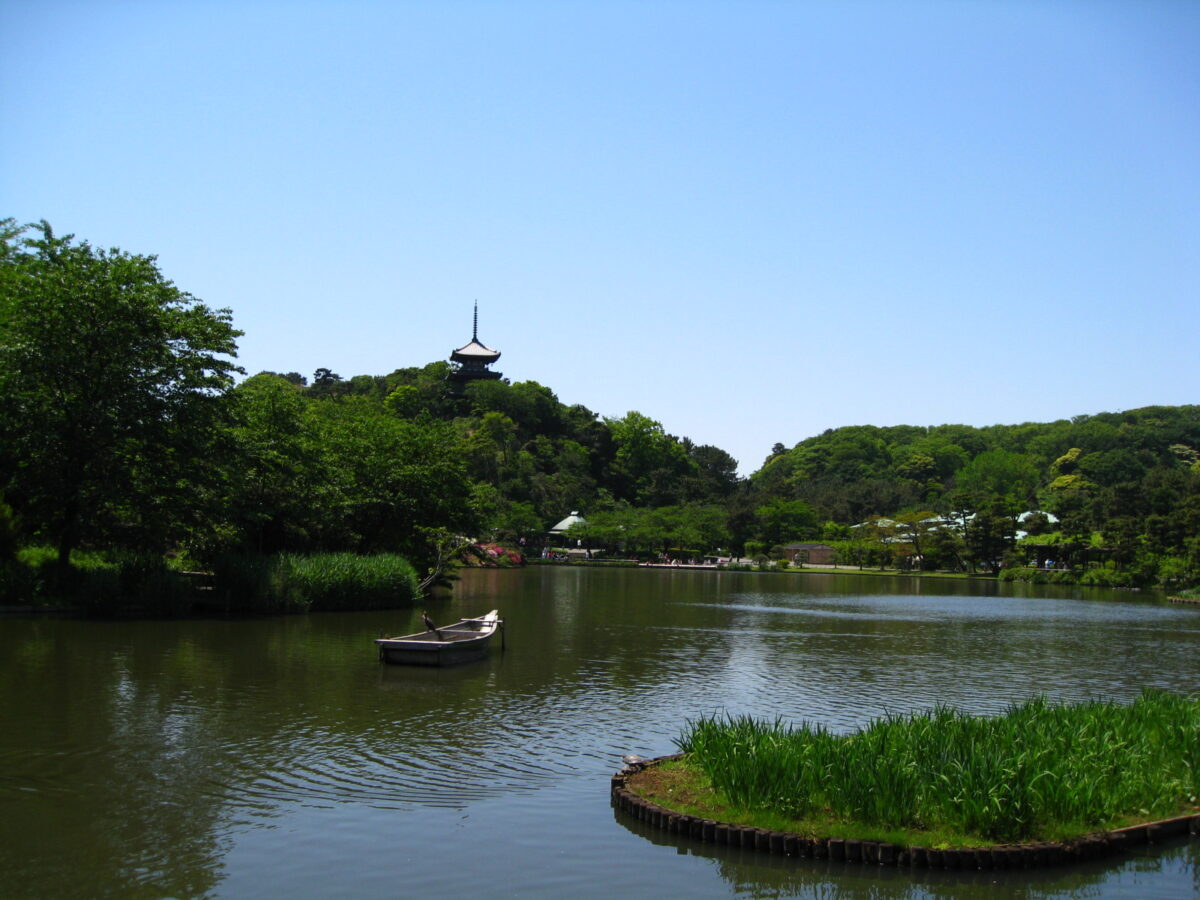
Sankei-en is a traditional Japanese garden in Naka Ward, Yokohama, opened in 1906. It was designed and built by the silk trader Hara Tomitarō (1868–1939), known as Sankei, and almost all of its buildings are historic structures he bought and brought here from places across the country, among them Tokyo, Kyoto, Kamakura, Gifu and Wakayama. Ten are Important Cultural Properties, and three more are designated by the City of Yokohama.
The garden was badly damaged in the Second World War, given to the City of Yokohama in 1953, and restored almost to its pre-war state by the foundation the city entrusted it to.
Yamate Station on the Negishi Line is about 1.6 km away in a straight line. Yokohama Chinatown is about 3.1 km off.
Written by japan-spots.com (2026-09-22) from the sources credited on this page. Distances are straight lines between map positions.
Photos
Photos from Wikimedia Commons, each under its own licence — see credits
- Sangkaien Garden — Arisdp · CC BY-SA 3.0 · source · resized
- Shunsoro — Kimon Berlin, Gribeco · CC BY-SA 3.0 · source · resized
- Sankeien toukeiji butsuden — Urashimataro · CC BY-SA 3.0 · source · resized
- Sankeien Old Yanohara House Front — Urashimataro · Public domain · source · resized
- Sankeien 2010 2 — Urashimataro · CC BY-SA 3.0 · source · resized
- Sankei Memorial Hall in Sankeien Garden — Twilight2640 · CC BY-SA 4.0 · source · resized
- Rinshunkaku — Dddeco · CC BY 2.5 · source · resized
- Old Tenzuiji Juto Oido, Sankeien Garden, Yokohama — Wmpearl · CC0 · source · resized
- Img 20151016 122620 Jpg — Jorge Cortell · CC BY 3.0 · source · resized
- Choshukaku - panoramio — FoxyStranger Kawasaki · CC BY-SA 3.0 · source · resized
What this place is
Sankei-en (三溪園, Three Creeks Garden) is a traditional Japanese-style garden in Naka Ward, Yokohama, Japan, which opened in 1906. Sankei-en was designed and built by Tomitaro Hara (原富太郎) (1868–1939), known by the pseudonym Sankei Hara, who was a silk trader. Almost all of its buildings are historically significant structures bought by Hara himself in locations all over the country, among them Tokyo, Kyoto, Kamakura, Gifu Prefecture, and Wakayama Prefecture. Ten have been declared Important Cultural Property, and three more are Tangible Cultural Properties of Japan designated by the City of Yokohama. Badly damaged during World War II, the garden was donated in 1953 to the City of Yokohama, which entrusted it to the Sankeien Hoshōkai Foundation (三溪園保勝会, Sankeien Hoshōkai). Sankei-en was then restored almost to its pre-war condition.
Visitor information checked: 2026-10-05 · ご利用案内|横浜 三溪園
Background text from Wikipedia (CC BY-SA 4.0)
What to expect at this type of place: Park & garden
Nearby station
Nearby station: Yamate (Negishi Line), about 1.6 km from the spot in a straight line.
Worked out on 2026-09-14 from this place’s map position, using HeartRails Express station data and station names from Wikidata. The distance is a straight line, not a walking route, and says nothing about buses, transfers or timetables — plan the trip on Google Maps.
Where to stay nearby
Hotels near Sankeien Garden on Agoda
AD Affiliate link: if you book through it, we may earn a commission from Agoda, at no extra cost to you. Hotels, prices and availability are Agoda’s, for the whole town around this spot.
Traveler reviews
No reviews yet — be the first to share how it went.