Usual hours and prices, checked 2026-10-06 against the sources under “What this place is”. They can change for holidays and events — confirm before you go. Official site
Our guide
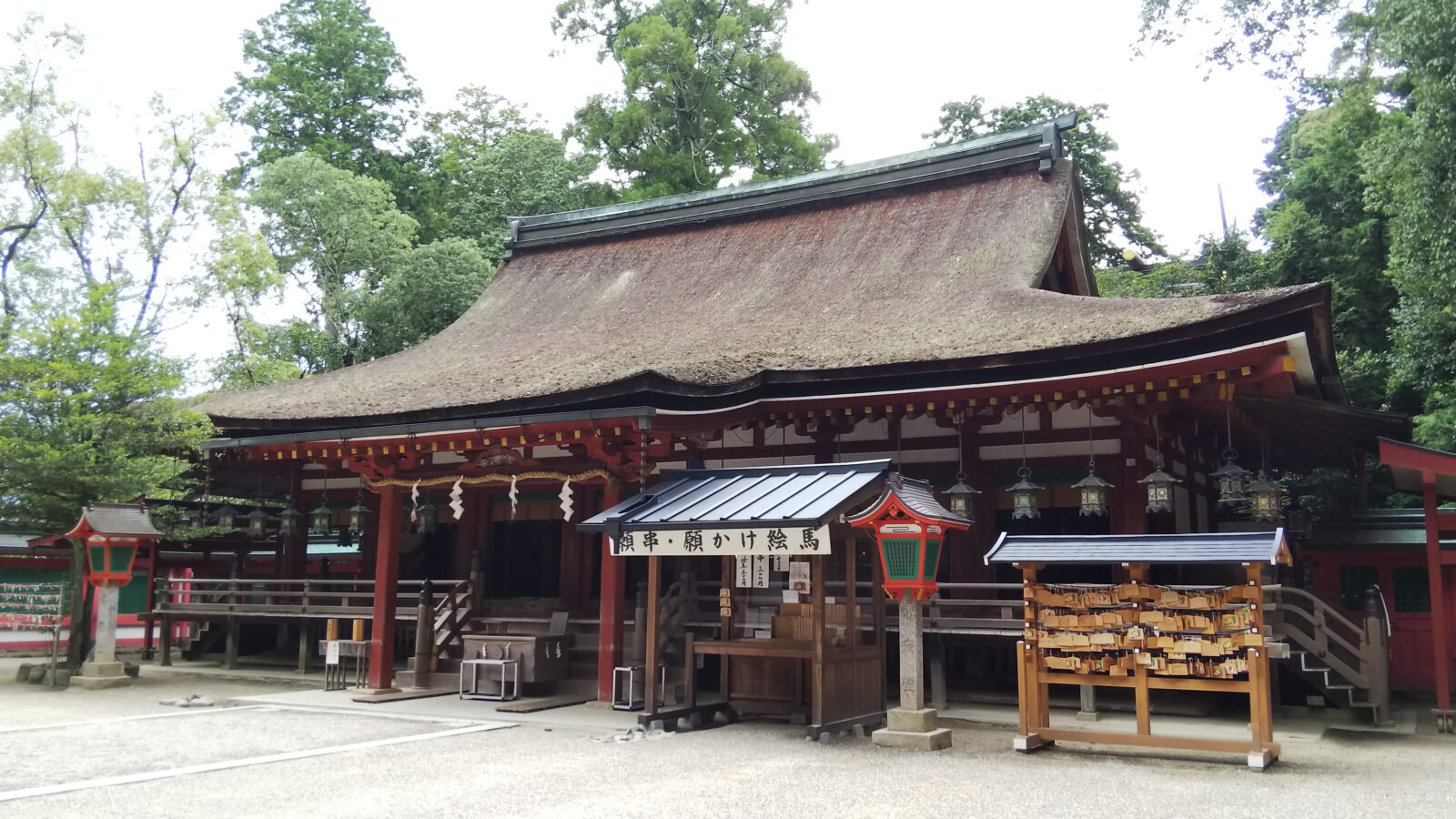
Isonokami Jingū stands in the hills of Furu in Tenri, Nara, and is one of the oldest surviving Shinto shrines in Japan. It has housed several important artefacts, was highly regarded in ancient times and often visited by members of the imperial family, and played a central part in Japan's early history, especially from the 3rd to the 5th century. It also marks the northern end of the Yamanobe no Michi, the oldest road in Japan.
We have not checked a public-transport route, so plan the journey on the map and look for local information before you go.
Written by japan-spots.com (2026-09-22) from the sources credited on this page. Distances are straight lines between map positions.
Photos
Photos from Wikimedia Commons, each under its own licence — see credits
- Isonokami Jingu Haiden1 — Zeter114514 · CC BY-SA 4.0 · source · resized
- Isonokami Shrine, Grounds of Shrine 01 — Naokijp · CC BY-SA 4.0 · source · resized
- Isonokami Jingu Roumon — Zeter114514 · CC BY-SA 4.0 · source · resized
- Isonokami-jingu reicho — KENPEI · CC BY-SA 3.0 · source · resized
- Isonokami-jingu, torii — Saigen Jiro · CC0 · source · resized
- Isonokami-jingu, Izumotakeo-jinja haiden-1 — Saigen Jiro · CC0 · source · resized
- Isonokami Shrine, The Messenger of God's Chicken 01 — Naokijp · CC BY-SA 4.0 · source · resized
- Isonokami Shrine, Torii Gate 01 — Naokijp · CC BY-SA 4.0 · source · resized
What this place is
Isonokami Shrine (石上神宮, Isonokami-jingū; also Isonokami-futsu-no-mitama-jinja (石上布都御魂神社), Furu-ōmyojin (布留大明神) etc.) is a Shinto shrine located in the hills of Furu in Tenri, Nara Prefecture, Japan. It is one of the oldest extant Shinto shrines in Japan and has housed several significant artifacts. Isonokami shrine was highly regarded in the ancient era, and frequented by many members of the Imperial Family. It played a pivotal role in Japan's early history, especially during the 3rd to 5th centuries. The shrine is at the northern end of the Yamanobe no michi, the oldest road in Japan.
Visitor information checked: 2026-10-06 · Official visitor information
Background text from Wikipedia (CC BY-SA 4.0)
What to expect at this type of place: Shrine
Getting there
We do not have step-by-step transit directions for this spot yet. Open the location on Google Maps for routes from where you are staying.
Traveler reviews
No reviews yet — be the first to share how it went.