Usual hours and prices, checked 2026-10-06 against the sources under “What this place is”. They can change for holidays and events — confirm before you go. Official site
Our guide
Kasama Inari Shrine is one of the three largest Inari shrines in Japan and was awarded the ancient court rank of Senior First Grade. By its own tradition it was founded in 651, in the reign of Emperor Kōtoku, some thirteen centuries ago. In the Edo period it had the devoted patronage of the lords of the Kasama Domain, and its following spread beyond the Kantō region to the whole country. Today more than 3.5 million pilgrims visit each year.
It is dedicated to Ukanomitama no kami, a kami of the five grains and of food, and so of the sources of life itself.
Kasama Station on the Mito Line is about 1.6 km away in a straight line, and Kasama Castle about 1.3 km.
Written by japan-spots.com (2026-09-22) from the sources credited on this page. Distances are straight lines between map positions.
Photos
Photos from Wikimedia Commons, each under its own licence — see credits
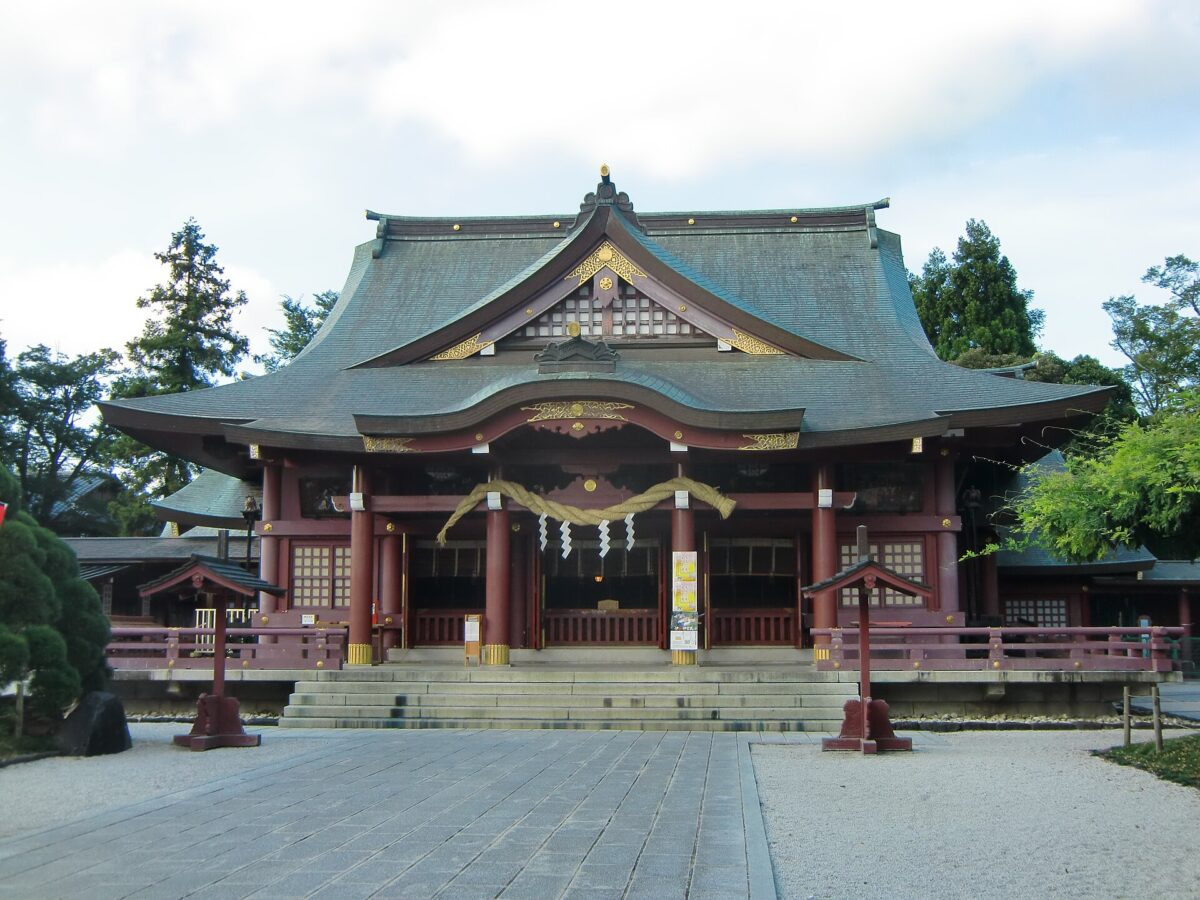
- Haiden of Kasama Inari Shrine01 — On-chan · CC BY-SA 3.0 · source · resized
- Kasama Inari Shrine Otorii 2016 — 市井の人 · CC BY-SA 4.0 · source · resized
- Kasama Inari Shrine Ishitorii 2008 — 市井の人 · CC BY-SA 4.0 · source · resized
- Kasama Inari Shrine Haiden 2013 — 市井の人 · CC BY-SA 4.0 · source · resized
- Kasama Inari-jinja 2019a — 江戸村のとくぞう · CC BY-SA 4.0 · source · resized
- Kasama-RD-2Feb2010 — Dinakarr · CC BY-SA 3.0 · source · resized
- Kasama Inari Shrine 01 — Σ64 · CC BY 3.0 · source · resized
- Kasama Inari Shrine 02 — Σ64 · CC BY 3.0 · source · resized
- Kasama Inari Shrine 03 — Σ64 · CC BY 3.0 · source · resized
- Kasama Inari Shrine 04 — Σ64 · CC BY 3.0 · source · resized
What this place is
Kasama Inari Shrine (笠間稲荷神社 Kasama Jinja) is one of the three largest Inari Okami shrines in Japan, having been awarded the ancient court rank of Senior First Grade. According to legends associated with the shrine, it was founded in 651 during the reign of Emperor Kotoku, indicating a history extending over some thirteen centuries. During the Tokugawa or Edo period, Kasama Inari Shrine received the devoted patronage of the feudal lord of the Kasama Domain, and spread its influence not only through the Kantō region but throughout all of Japan. At present, the shrine is visited by more than 3.5 million pilgrims each year. The shrine is dedicated to Ukanomitama no kami – a spirit with jurisdiction over the five grains and foodstuffs, the life-root kami having mastery over the sources of life itself.
Visitor information checked: 2026-10-06 · Ibaraki official tourism: Kasama Inari
Background text from Wikipedia (CC BY-SA 4.0)
What to expect at this type of place: Shrine
Nearby station
Nearby station: Kasama (Mito Line), about 1.6 km from the spot in a straight line.
Worked out on 2026-09-14 from this place’s map position, using HeartRails Express station data and station names from Wikidata. The distance is a straight line, not a walking route, and says nothing about buses, transfers or timetables — plan the trip on Google Maps.
Traveler reviews
No reviews yet — be the first to share how it went.